Orthopedic Surgery Recovery at Home
Learn how orthopedic surgery recovery at home can support faster healing. Discover essential home care tips, physiotherapy, mobility support, pain management, and medical equipment for a successful recovery.
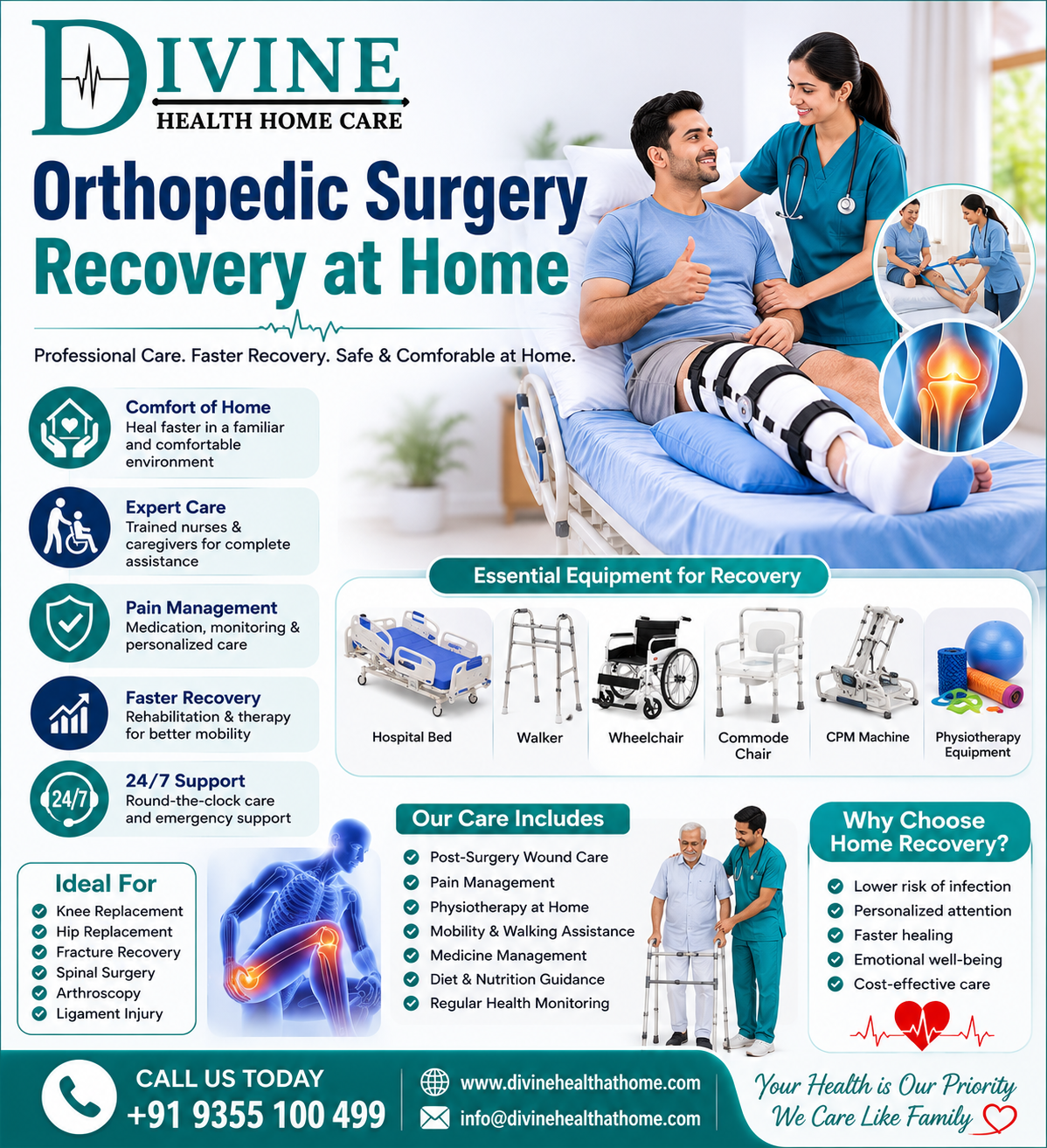
Updated on 15 Jun 2026 | 4 min readRecovering from an orthopedic procedure requires proper care, patience, and a structured rehabilitation plan. Whether a patient has undergone a knee replacement, hip replacement, fracture repair, ligament reconstruction, or spine surgery, orthopedic surgery recovery at home plays a crucial role in achieving successful healing and restoring mobility.
A comfortable home environment, combined with professional support and proper medical guidance, can significantly improve recovery outcomes. With the right approach, patients can regain strength, reduce complications, and return to their daily activities more efficiently.
Why Home Recovery Is Important After Orthopedic Surgery
After discharge from the hospital, the recovery process continues for several weeks or months depending on the procedure performed. Proper post-surgical care at home helps patients heal safely while reducing the risk of complications.
Benefits of recovering at home include:
- Greater comfort and privacy
- Reduced exposure to infections
- Better emotional well-being
- Personalized recovery plans
- Family support and assistance
- Improved rest and sleep quality
- Cost-effective long-term recovery
A well-organized home recovery plan helps patients focus on healing while maintaining independence whenever possible.
Common Orthopedic Surgeries Requiring Home Recovery
Many orthopedic procedures require ongoing rehabilitation and support after hospital discharge, including:
Knee Replacement Surgery
Patients undergoing knee replacement surgery often need physiotherapy, mobility assistance, and pain management during the recovery period.
Hip Replacement Surgery
Hip replacement recovery focuses on restoring movement, improving strength, and preventing complications through guided rehabilitation.
Fracture Repair Surgery
Patients recovering from bone fractures may require limited weight-bearing activities, mobility aids, and ongoing monitoring.
Spine Surgery
Recovery after spine surgery often involves controlled movement, posture management, and physical therapy programs.
Ligament and Joint Reconstruction
Procedures involving ligaments, tendons, and joints require structured rehabilitation to restore function and stability.
Preparing Your Home for Recovery
Creating a safe recovery environment is essential for successful orthopedic surgery recovery at home.
Important preparations include:
- Removing trip hazards and clutter
- Keeping frequently used items within easy reach
- Ensuring adequate lighting throughout the home
- Installing support rails if needed
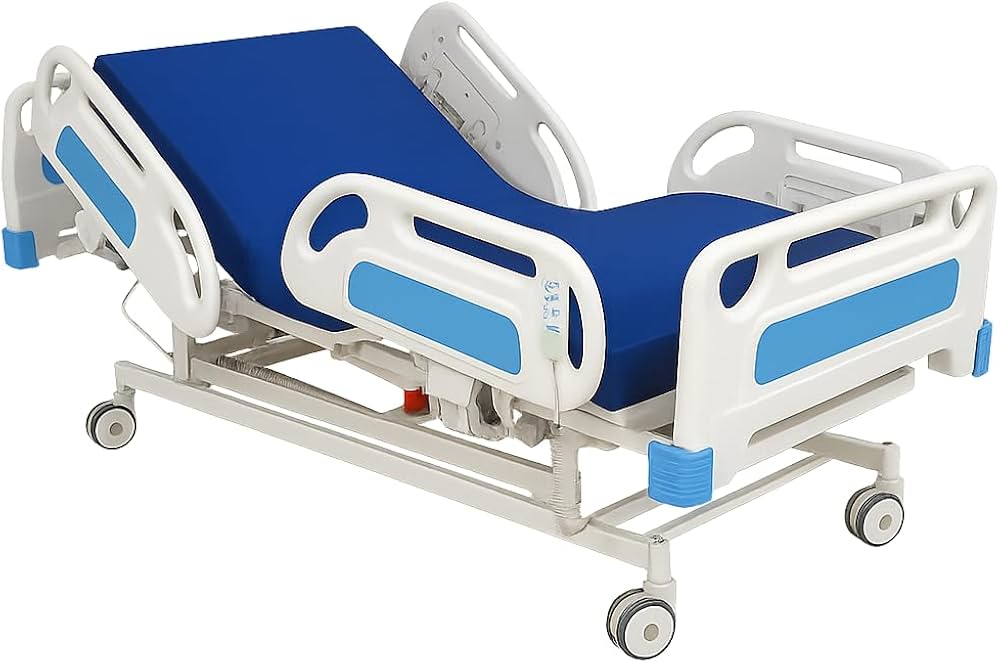
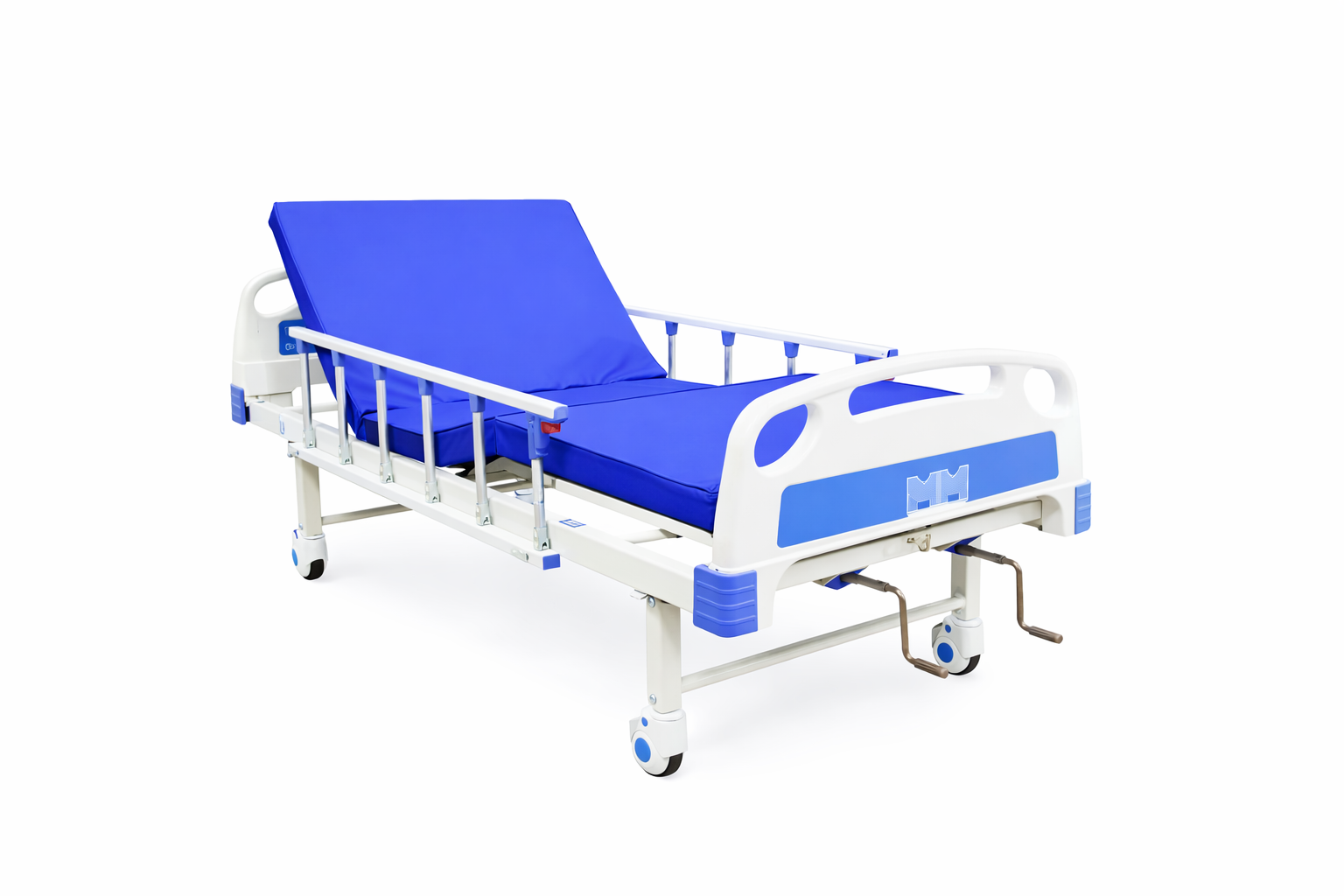
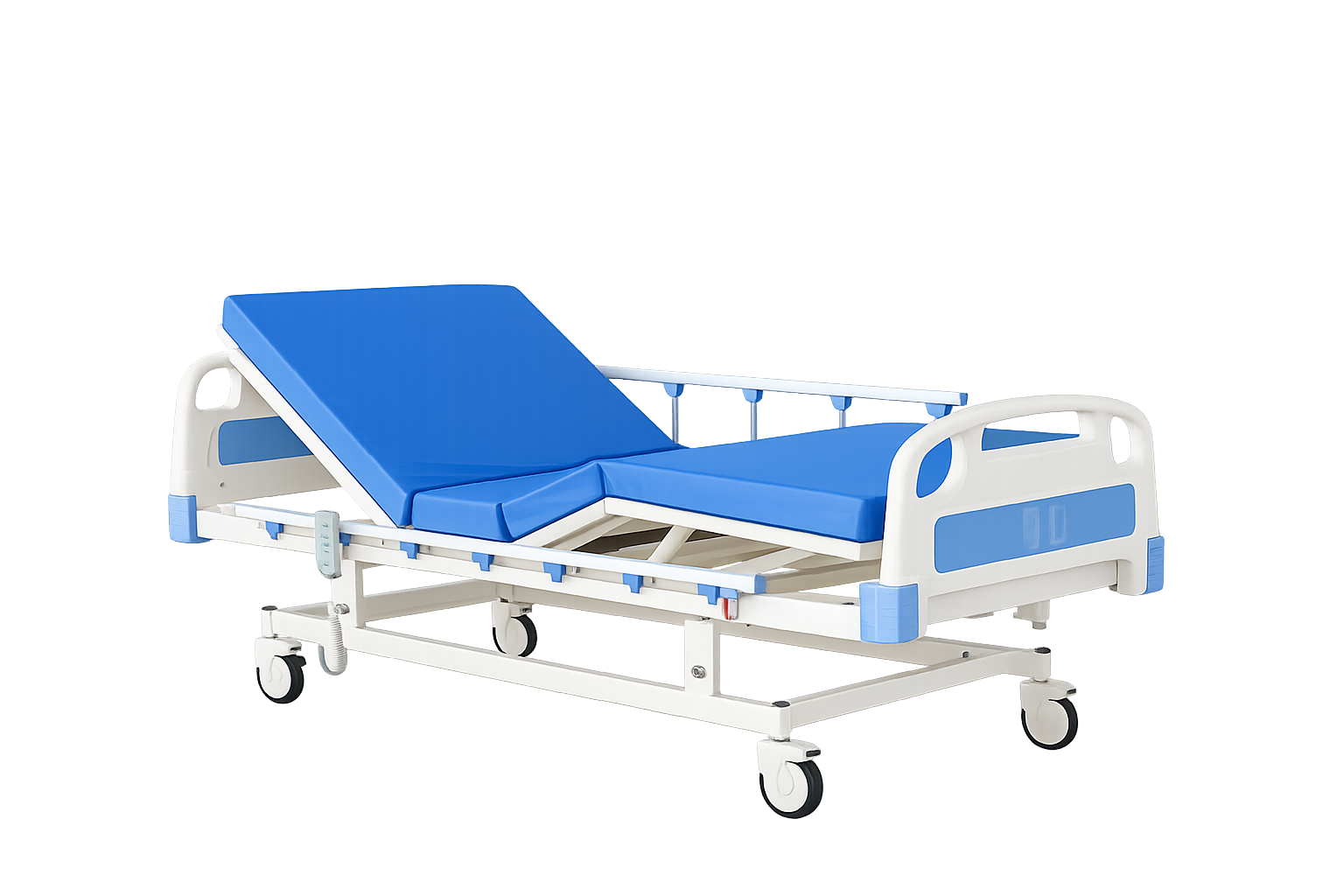
- Arranging a comfortable sleeping area
- Creating clear pathways for walking aids
A safe environment reduces the risk of falls and supports smoother mobility during recovery.
Importance of Physiotherapy After Orthopedic Surgery
One of the most important aspects of orthopedic rehabilitation at home is physiotherapy. Physical therapy helps restore strength, flexibility, balance, and joint function.
Benefits of physiotherapy include:
- Faster recovery
- Improved mobility
- Increased muscle strength
- Better joint movement
- Reduced stiffness
- Lower risk of complications
Patients should follow their therapist’s recommendations and maintain consistency with prescribed exercises.
Pain Management During Recovery
Pain control is an important part of recovery after orthopedic surgery. Effective pain management allows patients to participate actively in rehabilitation and daily activities.
Pain management strategies may include:
- Prescribed medications
- Ice therapy
- Elevation of affected limbs
- Gentle movement exercises
- Relaxation techniques
- Regular medical follow-up
Patients should always follow medical advice regarding medication use and recovery activities.