Cancer Patient Home Care Equipment Guide
Learn about essential home care equipment for cancer patients, including hospital beds, oxygen support, wheelchairs, air mattresses, suction machines, patient monitors, and nursing care support for safe recovery at home.
Updated on 18 Jun 2026 | 4 min readCaring for a cancer patient at home requires proper planning, medical guidance, emotional support, and the right healthcare equipment. A well-prepared home care setup can improve patient comfort, safety, mobility, hygiene, and overall quality of life during treatment, recovery, or palliative care.
Cancer patients may need different types of home care equipment depending on their condition, treatment stage, mobility level, breathing support needs, and doctor’s advice. Choosing the right medical equipment helps families manage daily care more safely and comfortably.
Why Home Care Equipment Is Important for Cancer Patients
Cancer treatment can cause weakness, pain, fatigue, breathing difficulty, reduced mobility, and difficulty performing daily activities. Proper medical equipment at home helps reduce caregiver burden and supports better patient care.
Benefits include:
- Improved patient comfort
- Safer mobility and transfers
- Better breathing support
- Pressure sore prevention
- Easier nursing care
- Reduced hospital visits
- Better long-term care management
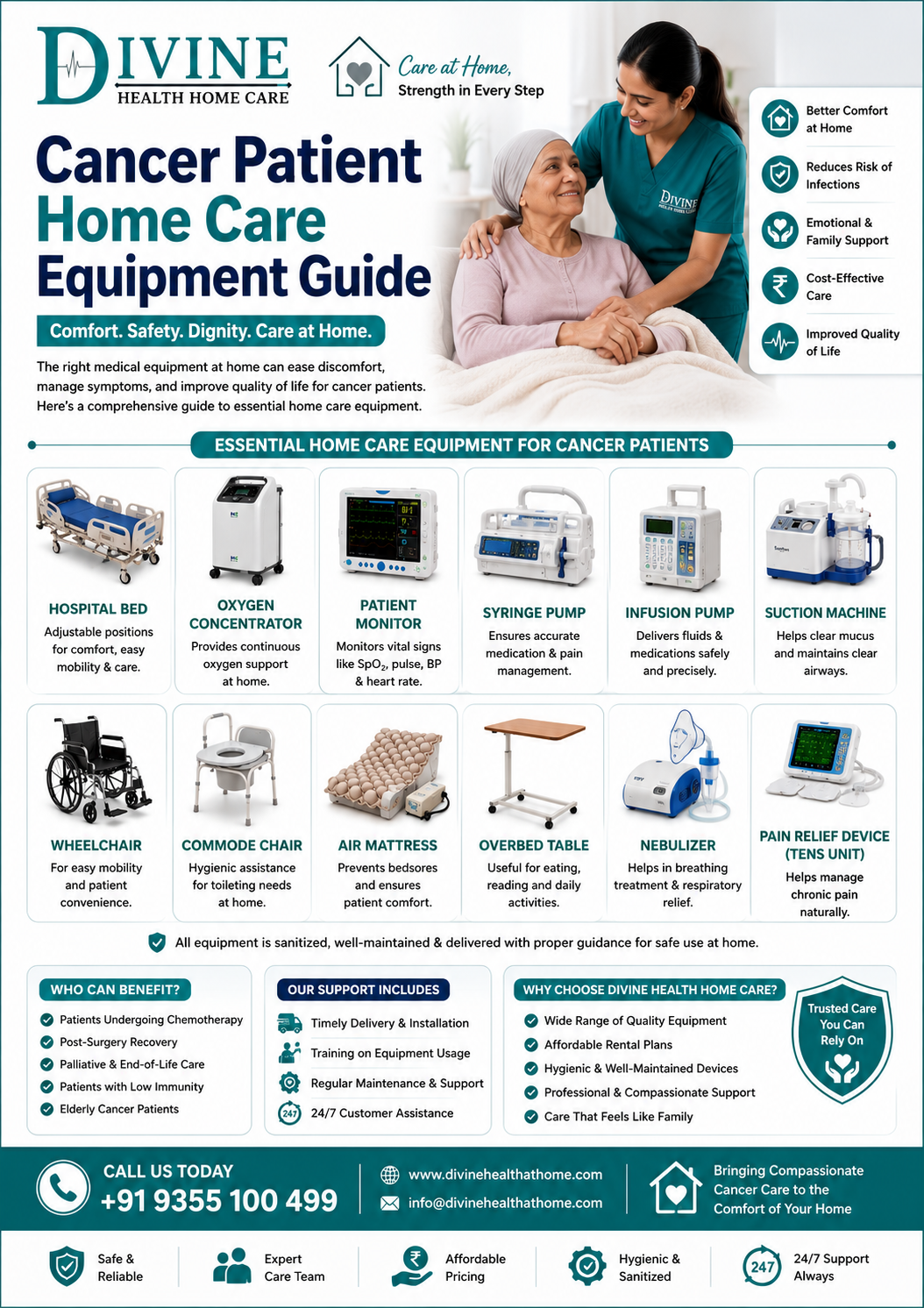
Essential Equipment for Cancer Patient Care at Home
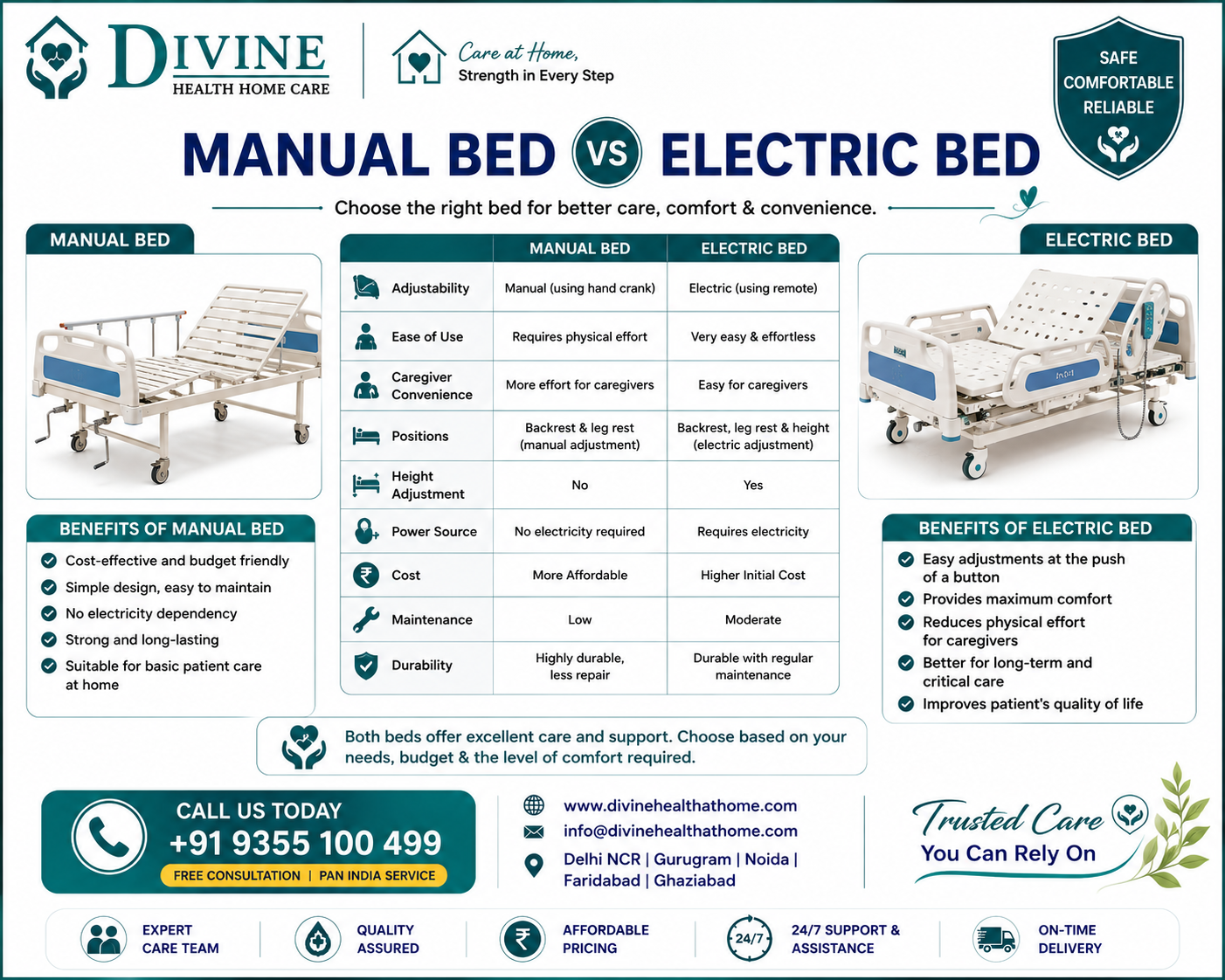
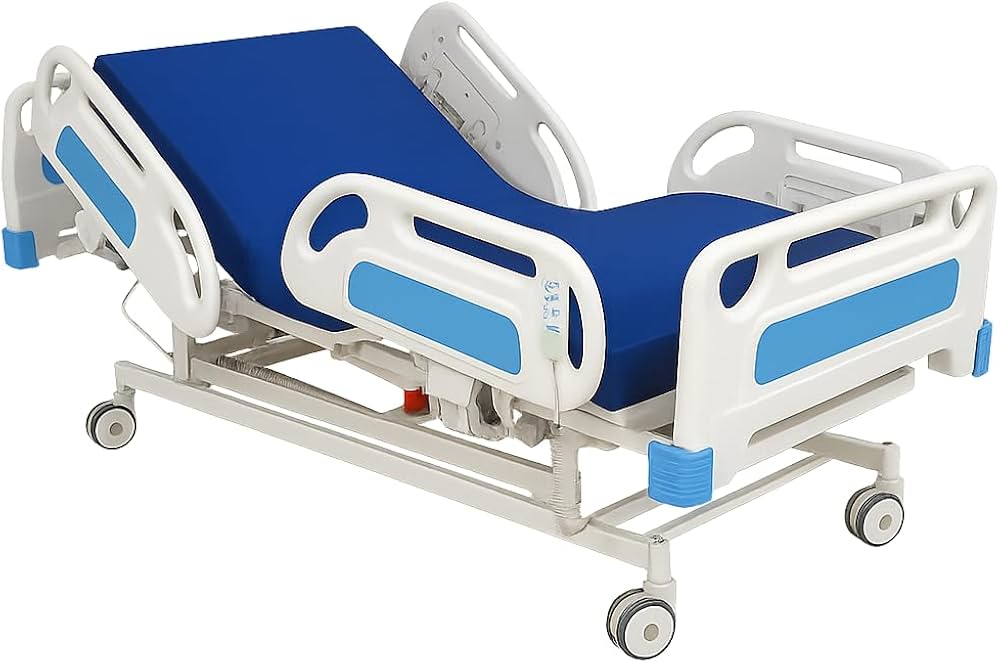
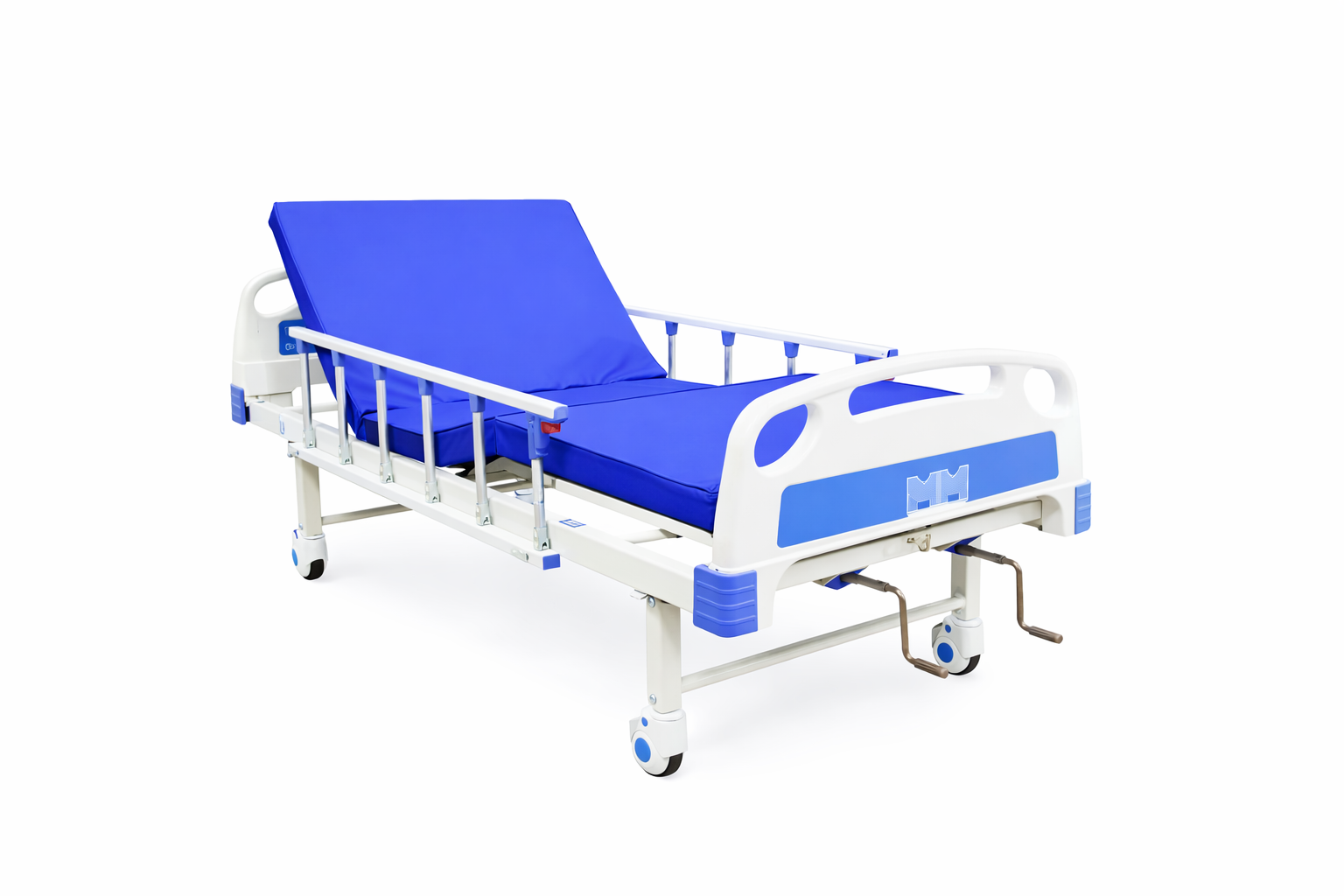
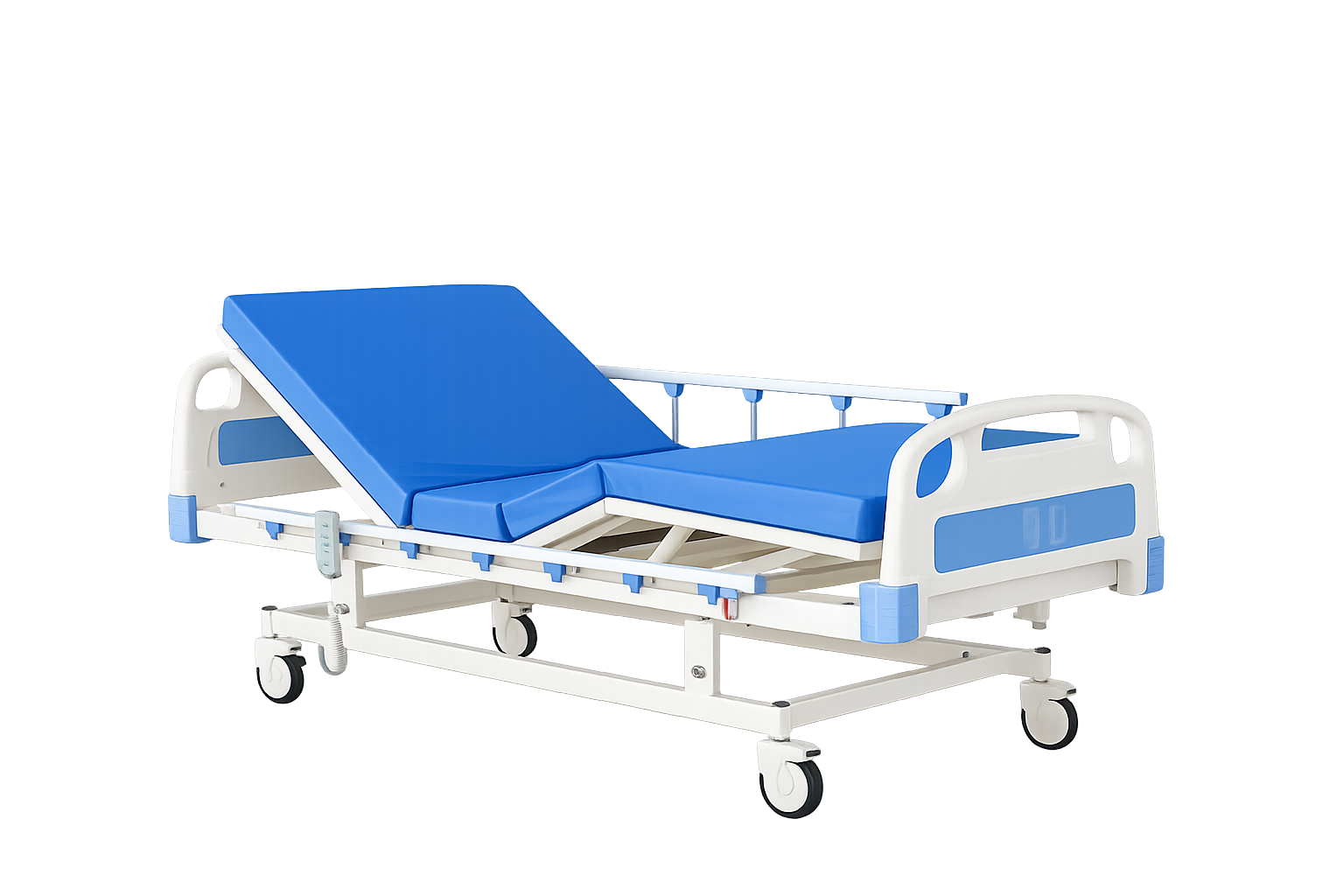
1. Adjustable Hospital Bed
An adjustable hospital bed is one of the most important pieces of equipment for cancer patient care at home. It helps patients rest comfortably and allows caregivers to adjust the head, back, and leg positions.
Benefits:
- Improves patient comfort
- Supports feeding and breathing position
- Helps in turning and repositioning
- Reduces caregiver strain
- Suitable for long-term bedridden patients
2. Air Mattress for Bedridden Patients
Cancer patients who remain in bed for long periods may develop pressure sores or bedsores. An air mattress helps distribute body pressure and protect the skin.
Benefits:
- Helps prevent bedsores
- Reduces pressure on sensitive areas
- Improves sleep comfort
- Useful for long-term patient care
3. Wheelchair
A wheelchair helps cancer patients move safely inside and outside the home when walking becomes difficult due to weakness, pain, or treatment side effects.
Common options include:
- Manual wheelchair
- Reclining wheelchair
- Commode wheelchair
- Lightweight foldable wheelchair
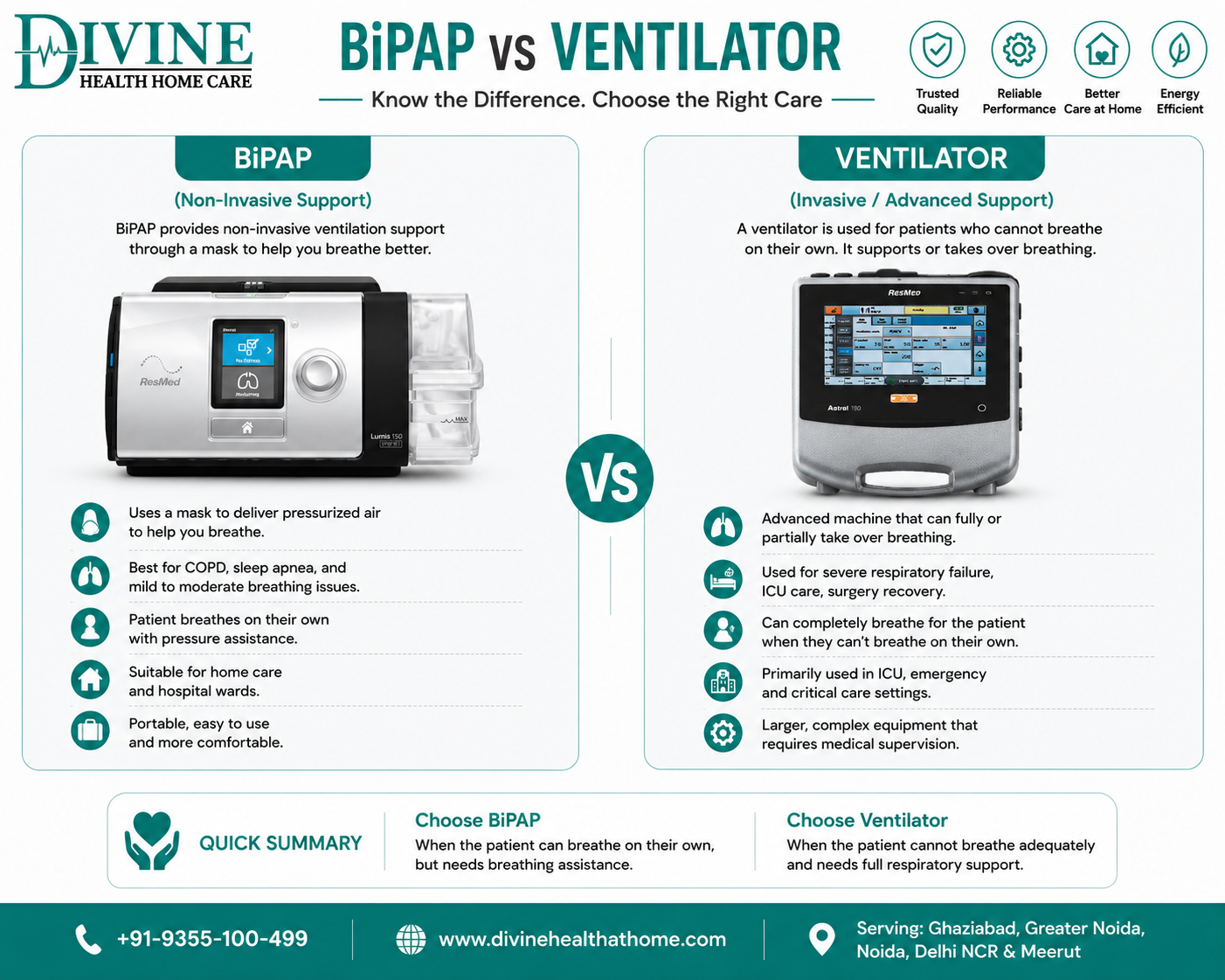
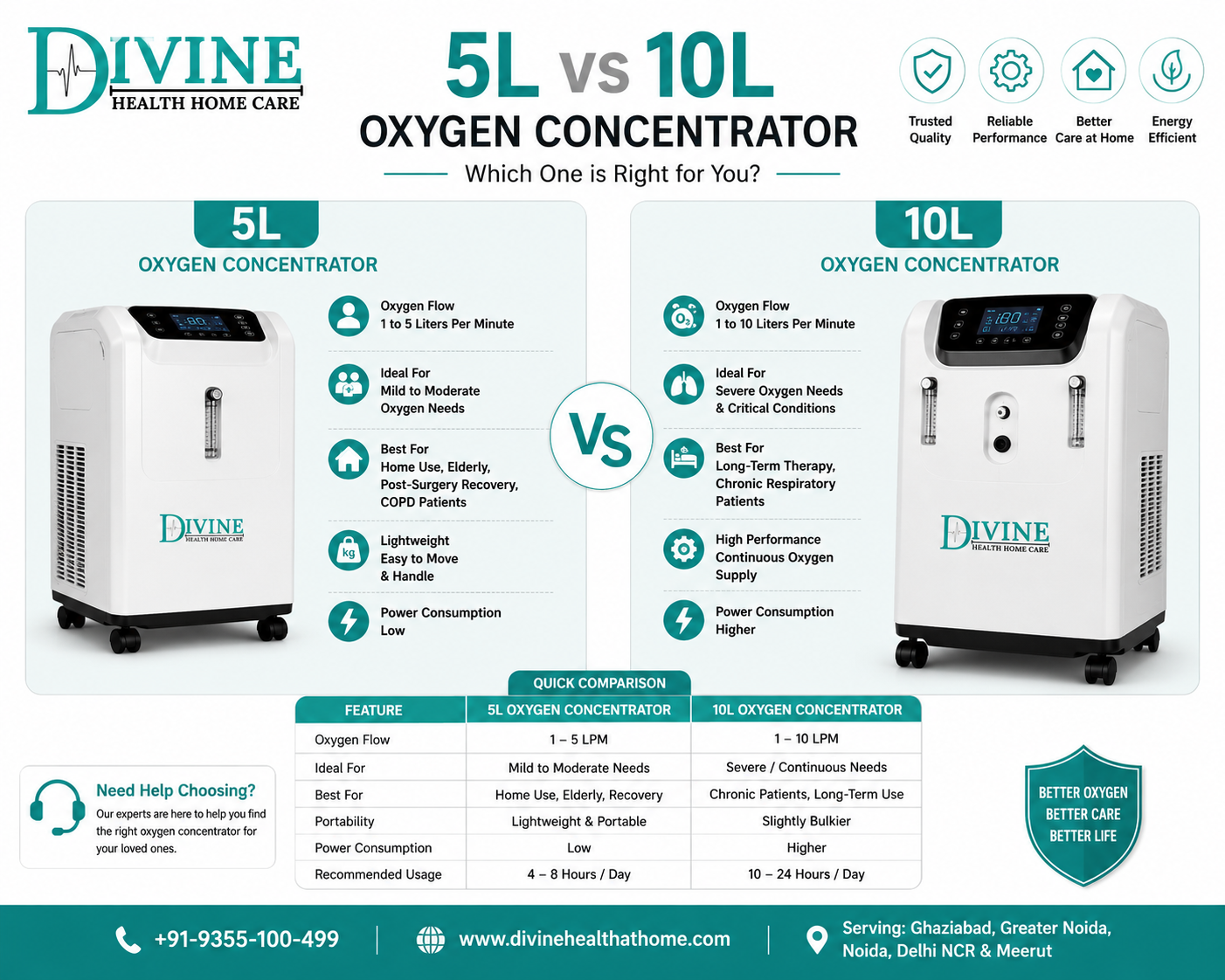
4. Oxygen Concentrator or Oxygen Cylinder
Some cancer patients may need oxygen support due to breathing difficulty, lung involvement, weakness, or treatment-related complications. Oxygen equipment should be used only as advised by a doctor.
Common oxygen support options:
- Oxygen concentrator
- Oxygen cylinder
- Oxygen mask
- Nasal cannula
- Flow meter
5. Patient Monitor
A patient monitor helps track important health parameters at home, especially for patients needing close observation.
Common monitoring parameters:
- Oxygen saturation
- Pulse rate
- Blood pressure
- Respiratory rate
- Temperature
6. Suction Machine
A suction machine may be required for patients who have difficulty clearing mucus, saliva, or secretions. It is commonly used in advanced care, respiratory support, and palliative care.
Benefits:
- Helps clear airway secretions
- Supports breathing comfort
- Useful for weak or bedridden patients
- Helpful in professional home nursing care
7. Bedside Commode Chair
A bedside commode chair is useful for patients who cannot walk safely to the toilet. It helps maintain hygiene and reduces fall risk.
Benefits:
- Convenient toilet support near the bed
- Reduces patient movement strain
- Helps elderly and weak patients
- Supports safer home care
8. Walker or Mobility Aid
For patients who can walk with support, walkers, walking sticks, or rollators can improve balance and reduce the risk of falls.
9. Feeding and Support Accessories
Cancer patients may need additional care accessories for daily comfort and hygiene.
Useful accessories include:
- Bedside table
- Feeding tray
- Backrest support
- Adult diapers
- Urine pot
- Bedpan
- Disposable gloves
- Sanitizer and hygiene supplies
10. Home Nursing Care Support
Along with equipment, trained nursing care can be very helpful for cancer patients at home.