What is an Oxygen Concentrator?
Learn what an oxygen concentrator is, how it works, its benefits, types, uses, and who needs oxygen therapy. Understand the difference between oxygen concentrators and oxygen cylinders and how to choose the right oxygen concentrator for home or hospital use.
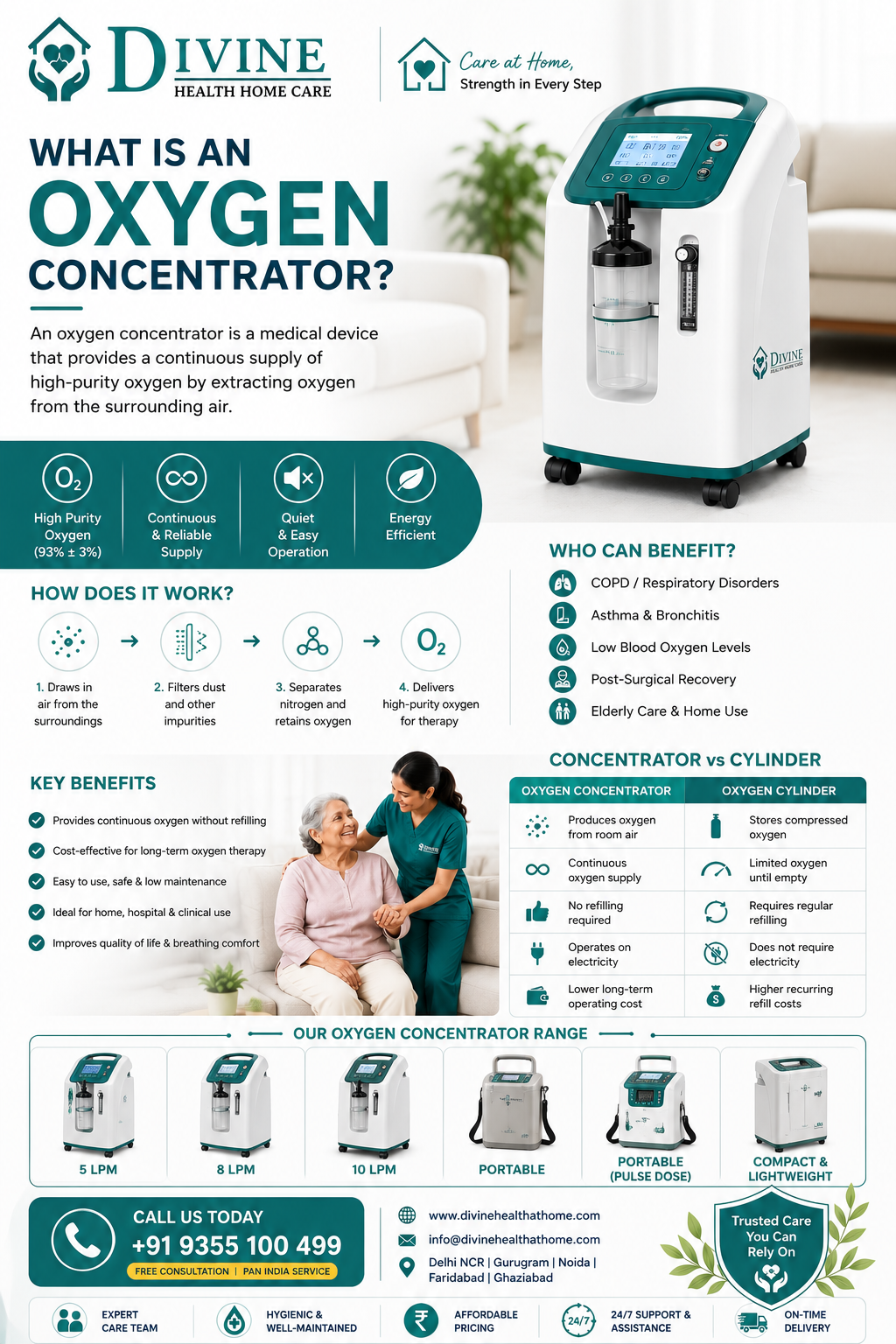
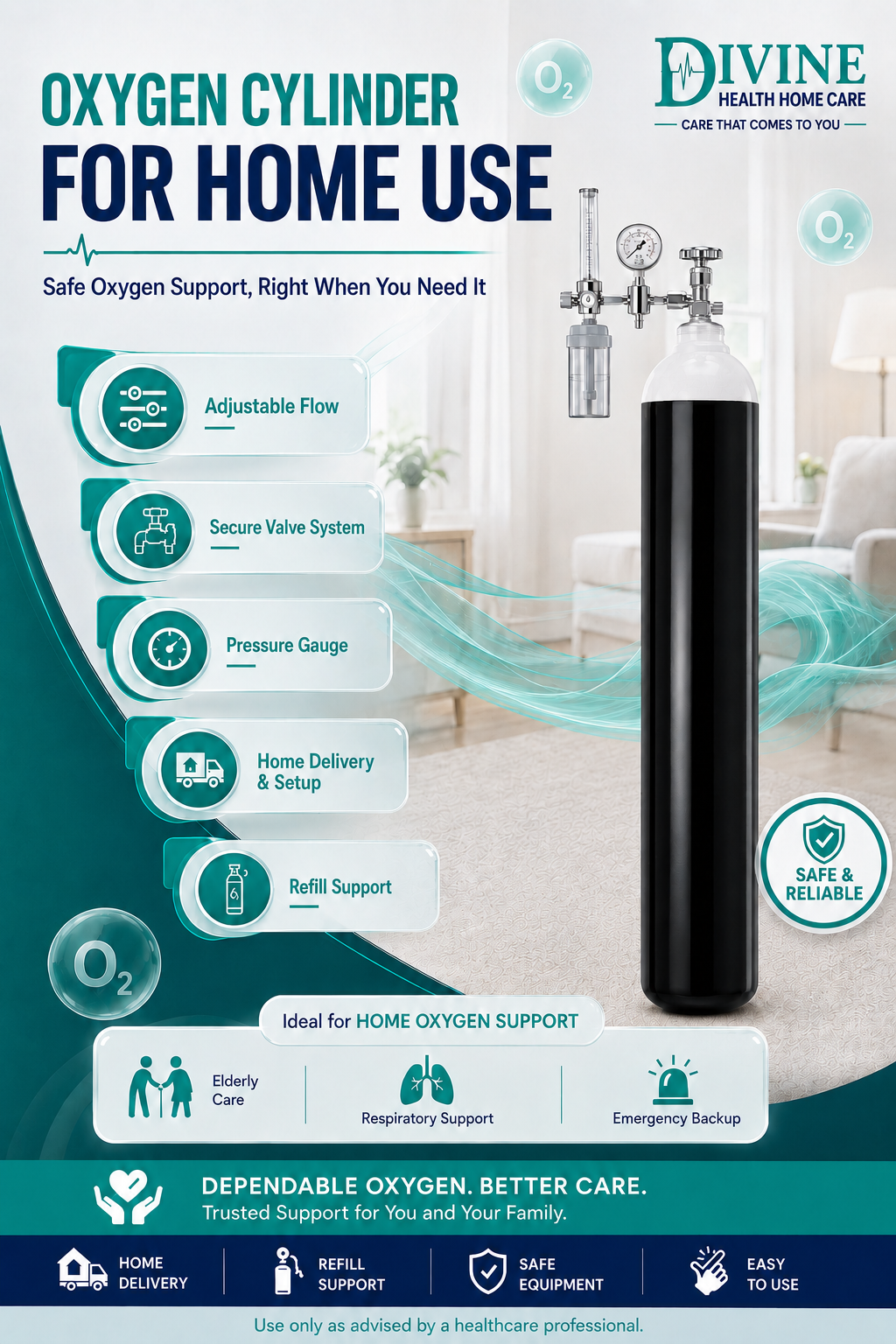
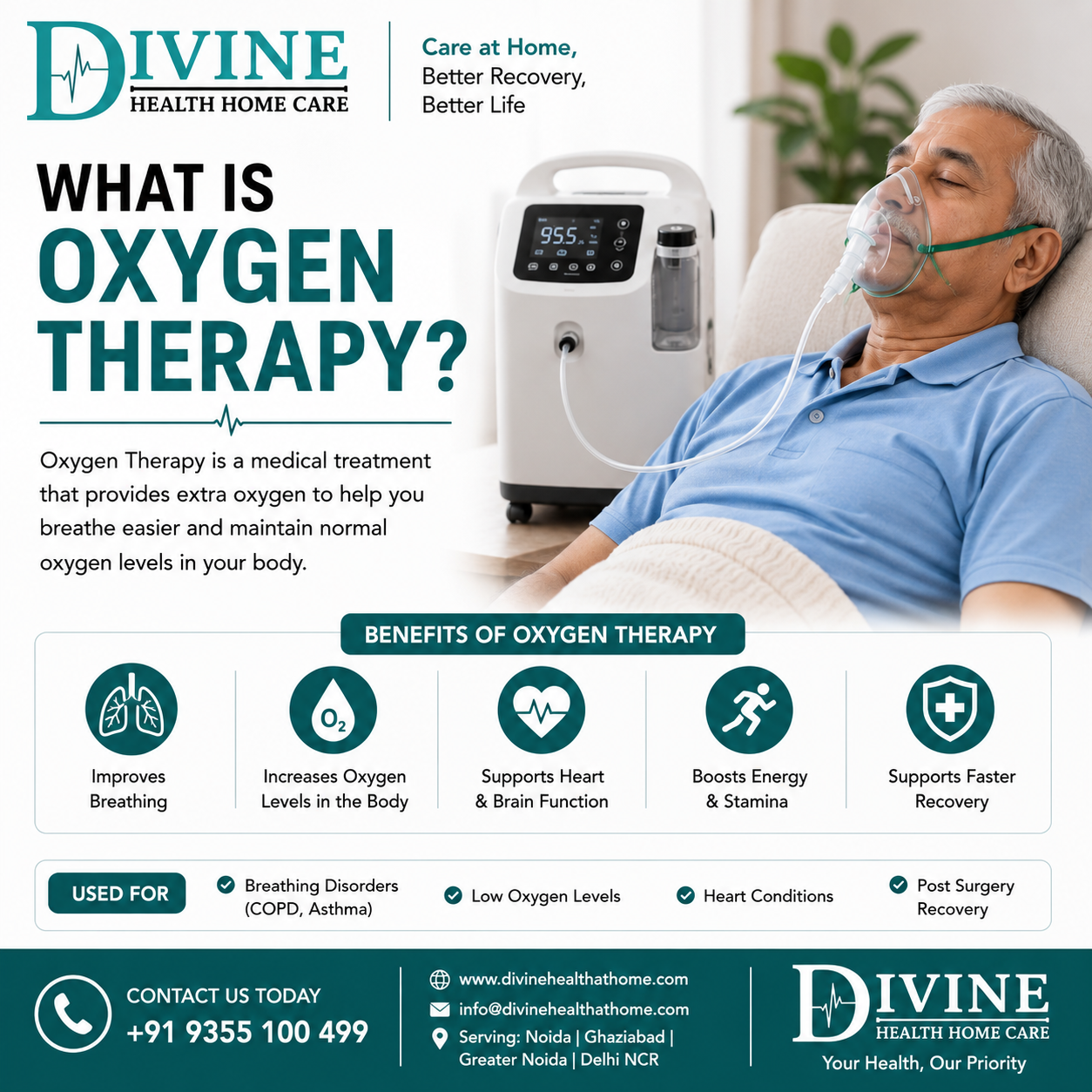
Updated on 26 Jun 2026 | 4 min readAn oxygen concentrator is a medical device that supplies oxygen-enriched air to individuals who require supplemental oxygen therapy due to low blood oxygen levels. Unlike an oxygen cylinder, which stores compressed oxygen, an oxygen concentrator draws in normal room air, removes nitrogen using Pressure Swing Adsorption (PSA) technology, and delivers highly concentrated oxygen to the user through a nasal cannula or oxygen mask.
Oxygen concentrators are widely used in hospitals, clinics, nursing homes, and home healthcare for patients with respiratory conditions that require continuous or intermittent oxygen therapy. They provide a reliable source of oxygen without the need for regular cylinder refills, making them a practical solution for long-term oxygen support.
How Does an Oxygen Concentrator Work?
An oxygen concentrator works through a simple but highly effective process:
- The machine draws in ambient air from the surrounding environment.
- Air passes through internal filters to remove dust and impurities.
- The compressor directs the air into molecular sieve beds containing zeolite.
- Nitrogen is separated from the air using Pressure Swing Adsorption (PSA) technology.
- Oxygen-rich air is collected and delivered to the patient.
- The unused nitrogen is safely released back into the atmosphere.
This process operates continuously while the machine is powered on, providing a steady supply of oxygen.
Benefits of an Oxygen Concentrator
Using an oxygen concentrator offers several advantages:
- Provides continuous oxygen supply
- No need for oxygen cylinder refilling
- Reliable oxygen therapy at home or in hospitals
- Easy to operate
- Energy-efficient design
- Low maintenance requirements
- Suitable for long-term oxygen therapy
- Available in stationary and portable models
- Quiet operation in modern machines
- Improves convenience for patients requiring prescribed oxygen support
Types of Oxygen Concentrators
Stationary Oxygen Concentrators
Stationary oxygen concentrators are designed for continuous use in homes, hospitals, clinics, and nursing facilities. They typically provide oxygen flow rates of 5 LPM or 10 LPM and are ideal for long-term therapy.
Portable Oxygen Concentrators
Portable oxygen concentrators are lightweight and battery-powered, allowing patients to travel while continuing prescribed oxygen therapy. Many models offer pulse-dose oxygen delivery and are suitable for active users.
Common Uses of Oxygen Concentrators
Oxygen concentrators may be prescribed for patients with:
- Chronic Obstructive Pulmonary Disease (COPD)
- Pulmonary fibrosis
- Chronic respiratory diseases
- Pneumonia recovery
- Interstitial lung disease
- Certain heart conditions requiring oxygen support
- Post-operative respiratory care
- Long-term oxygen therapy
- Other conditions as determined by a healthcare professional
When selecting an oxygen concentrator, consider:
- Prescribed oxygen flow rate (LPM)
- Oxygen concentration level
- Continuous or pulse-dose delivery
- Noise level
- Power consumption
- Portability requirements
- Battery backup (for portable models)
- Ease of maintenance
- Warranty and after-sales support
- Compliance with medical standards
Maintenance Tips
To keep an oxygen concentrator working efficiently:
- Clean or replace air filters as recommended by the manufacturer.
- Keep the machine in a well-ventilated area.
- Do not block air intake or exhaust vents.
- Clean the humidifier bottle regularly if used.
- Inspect tubing and cannulas for damage.
- Schedule periodic servicing according to the manufacturer's recommendations.
Why Choose an Oxygen Concentrator?
An oxygen concentrator is a dependable solution for individuals who require supplemental oxygen therapy on a regular basis. By producing oxygen directly from room air, it eliminates the need for repeated cylinder refills while providing a continuous supply of medical-grade oxygen. Whether used at home, in hospitals, or in rehabilitation settings, oxygen concentrators offer convenience, efficiency, and reliable respiratory support when prescribed by a healthcare professional.
Frequently Asked Questions
What is an oxygen concentrator used for?
An oxygen concentrator supplies oxygen-enriched air to individuals who require supplemental oxygen therapy due to medical conditions that reduce blood oxygen levels.
Does an oxygen concentrator produce pure oxygen?
No. Most medical oxygen concentrators deliver oxygen with a concentration of approximately 90% to 96%, depending on the model and flow rate.
Can an oxygen concentrator run continuously?
Yes. Most stationary oxygen concentrators are designed for extended or continuous operation when used according to the manufacturer's instructions.