BiPAP Settings Guide
Learn about BiPAP settings, including IPAP, EPAP, respiratory rate, rise time, and humidification. Understand how BiPAP machines are configured and why settings should only be adjusted by qualified healthcare professionals.
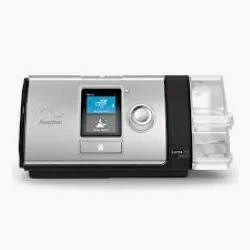
Updated on 08 Jul 2026 | 4 min readA BiPAP (Bilevel Positive Airway Pressure) machine provides non-invasive breathing support by delivering two different levels of air pressure during inhalation and exhalation. Proper BiPAP settings are essential for safe and effective therapy because they directly affect breathing comfort, ventilation, and overall treatment outcomes.
Every patient's breathing requirements are different. For this reason, BiPAP settings must always be determined and adjusted by a qualified healthcare professional based on the patient's medical condition, clinical assessment, and prescribed treatment plan.
This guide explains the most common BiPAP settings and their purpose without replacing professional medical advice.
What Are BiPAP Settings?
BiPAP settings are the programmed parameters that control how the machine delivers pressurized air during breathing. These settings help improve ventilation while making breathing more comfortable.
The machine continuously switches between two pressure levels:
- IPAP (Inspiratory Positive Airway Pressure) – Higher pressure provided during inhalation.
- EPAP (Expiratory Positive Airway Pressure) – Lower pressure provided during exhalation.
Together, these settings support natural breathing while reducing the effort required to inhale and exhale.
Common BiPAP Settings Explained
IPAP (Inspiratory Positive Airway Pressure)
IPAP is the pressure delivered while breathing in. It helps expand the lungs and improve ventilation by making inhalation easier.
EPAP (Expiratory Positive Airway Pressure)
EPAP maintains airway stability during exhalation and helps prevent airway collapse in patients who require positive airway pressure therapy.