CPAP vs BiPAP Machine — Differences Explained
Understand the difference between CPAP and BiPAP machines for sleep apnea and respiratory support. Compare pressure delivery, benefits, uses and therapy options.
Updated on 19 May 2026 | 4 min readCPAP and BiPAP machines are commonly used respiratory support devices designed to help patients maintain comfortable breathing during sleep and respiratory therapy. These devices are widely recommended for conditions such as sleep apnea, breathing disorders, and respiratory insufficiency.
Although both machines support airflow and improve breathing, they function differently and are used for different patient requirements. Understanding the differences between CPAP and BiPAP can help patients and caregivers make informed decisions for effective respiratory care.
At Divine Health Home Care, we provide quality respiratory support equipment and guidance for home healthcare solutions.
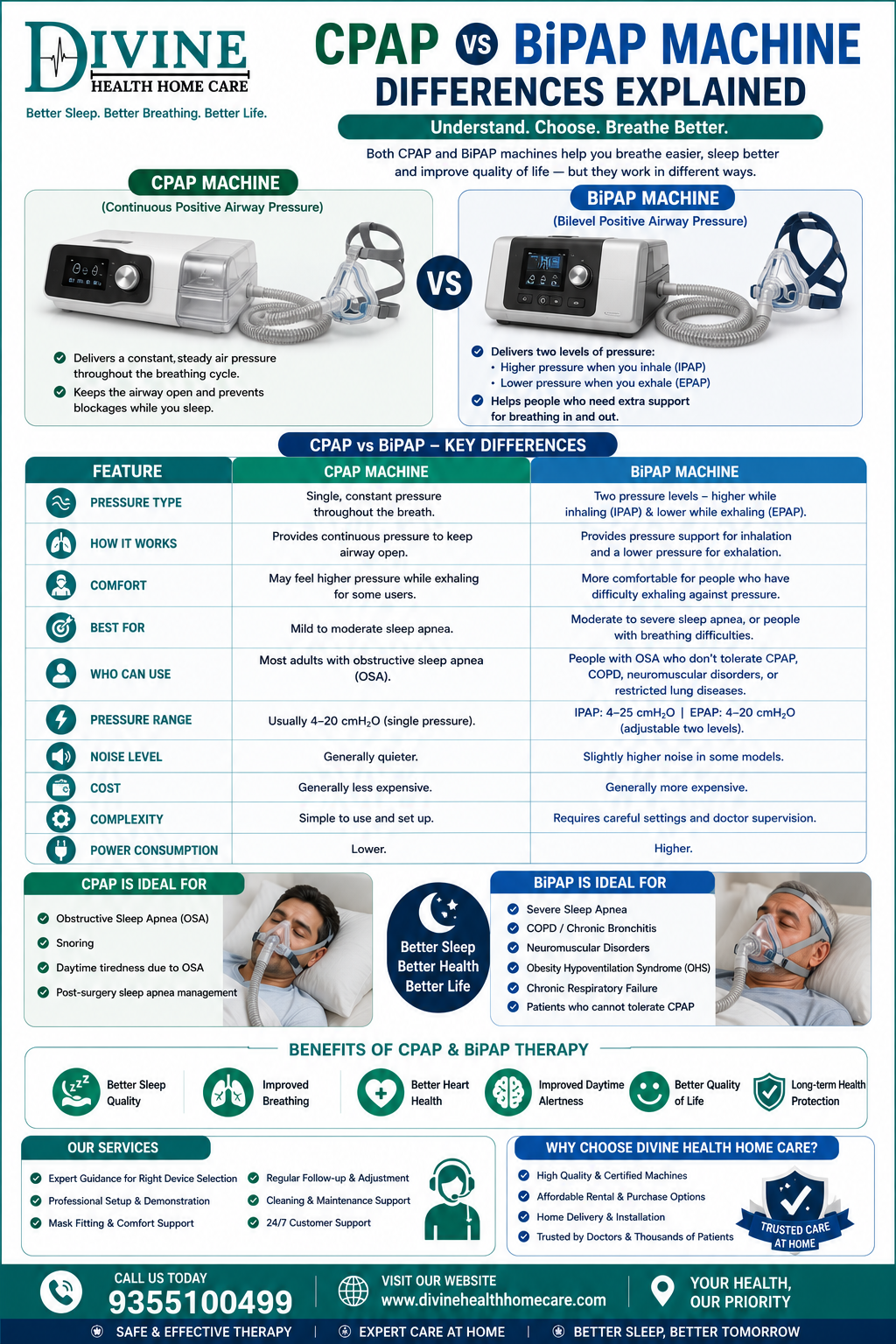
What is a CPAP Machine?
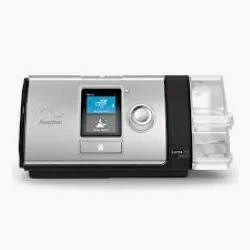
CPAP stands for Continuous Positive Airway Pressure. A CPAP machine delivers a constant and continuous level of air pressure throughout inhalation and exhalation to keep the airway open during sleep.
CPAP therapy is most commonly used for patients with obstructive sleep apnea and mild to moderate breathing-related sleep disorders.
Main Features of CPAP Machine
Delivers continuous fixed air pressure
Helps keep airways open during sleep
Commonly used for sleep apnea therapy
Simple and easy operation
Suitable for long-term sleep support
Supports improved sleep quality
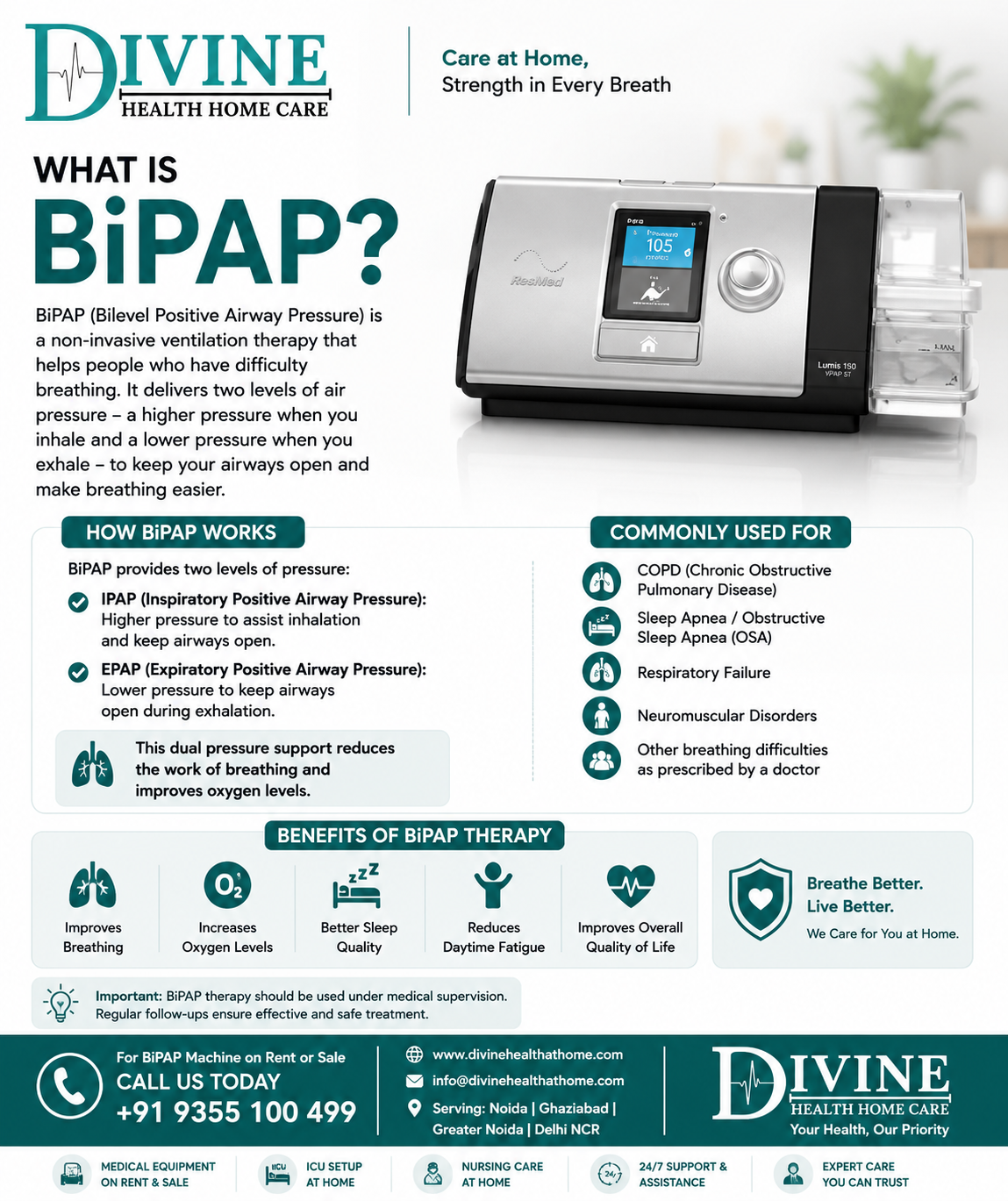
What is a BiPAP Machine?
BiPAP stands for Bilevel Positive Airway Pressure. Unlike CPAP, a BiPAP machine delivers two pressure levels—one pressure for inhalation and a lower pressure during exhalation.
This dual-pressure support makes breathing more comfortable for patients who require additional respiratory assistance.
Main Features of BiPAP Machine
Provides two different pressure levels
Supports easier inhalation and exhalation
Suitable for advanced respiratory support
Used for chronic breathing conditions
Offers greater breathing comfort
Suitable for long-term respiratory care