What is Oxygen Therapy
Learn what oxygen therapy is, how it works, its benefits, types, uses, and who may need supplemental oxygen. Understand oxygen delivery methods, safety precautions, and home oxygen therapy for patients with respiratory conditions.
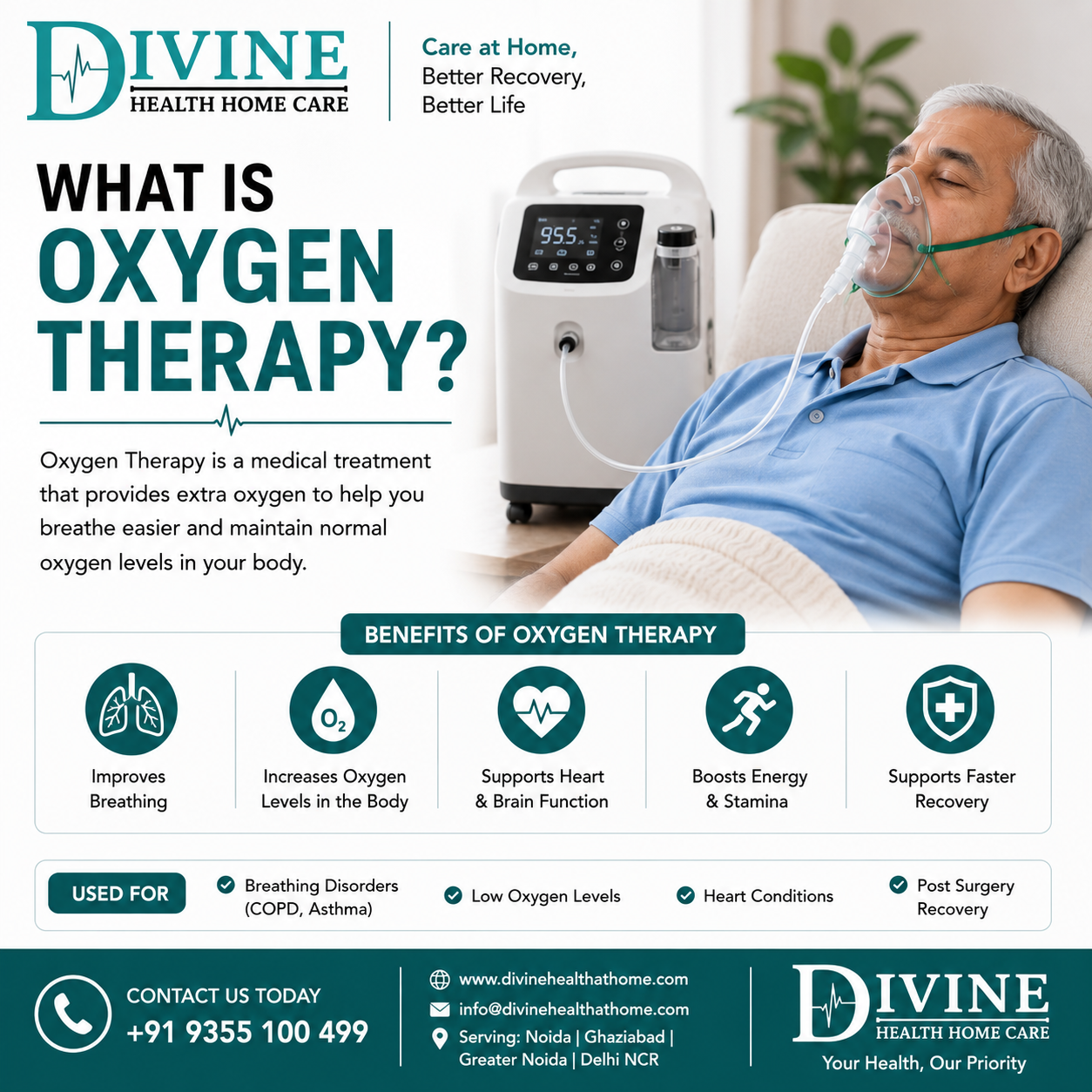
Updated on 21 Jul 2026 | 4 min readOxygen therapy is a medical treatment that provides supplemental oxygen to people whose bodies are unable to obtain enough oxygen from normal breathing. It helps increase the amount of oxygen delivered to the lungs and bloodstream, allowing vital organs and body tissues to function more effectively.
Normally, the air we breathe contains approximately 21% oxygen. When a person's blood oxygen level becomes too low due to certain medical conditions, a healthcare professional may prescribe oxygen therapy to help maintain adequate oxygen saturation. Oxygen therapy should only be used according to a doctor's recommendation, as both insufficient and excessive oxygen can be harmful in some situations.
Oxygen therapy may be provided in hospitals, emergency departments, ambulances, rehabilitation centres, nursing facilities, or at home depending on the patient's medical condition.
How Does Oxygen Therapy Work?
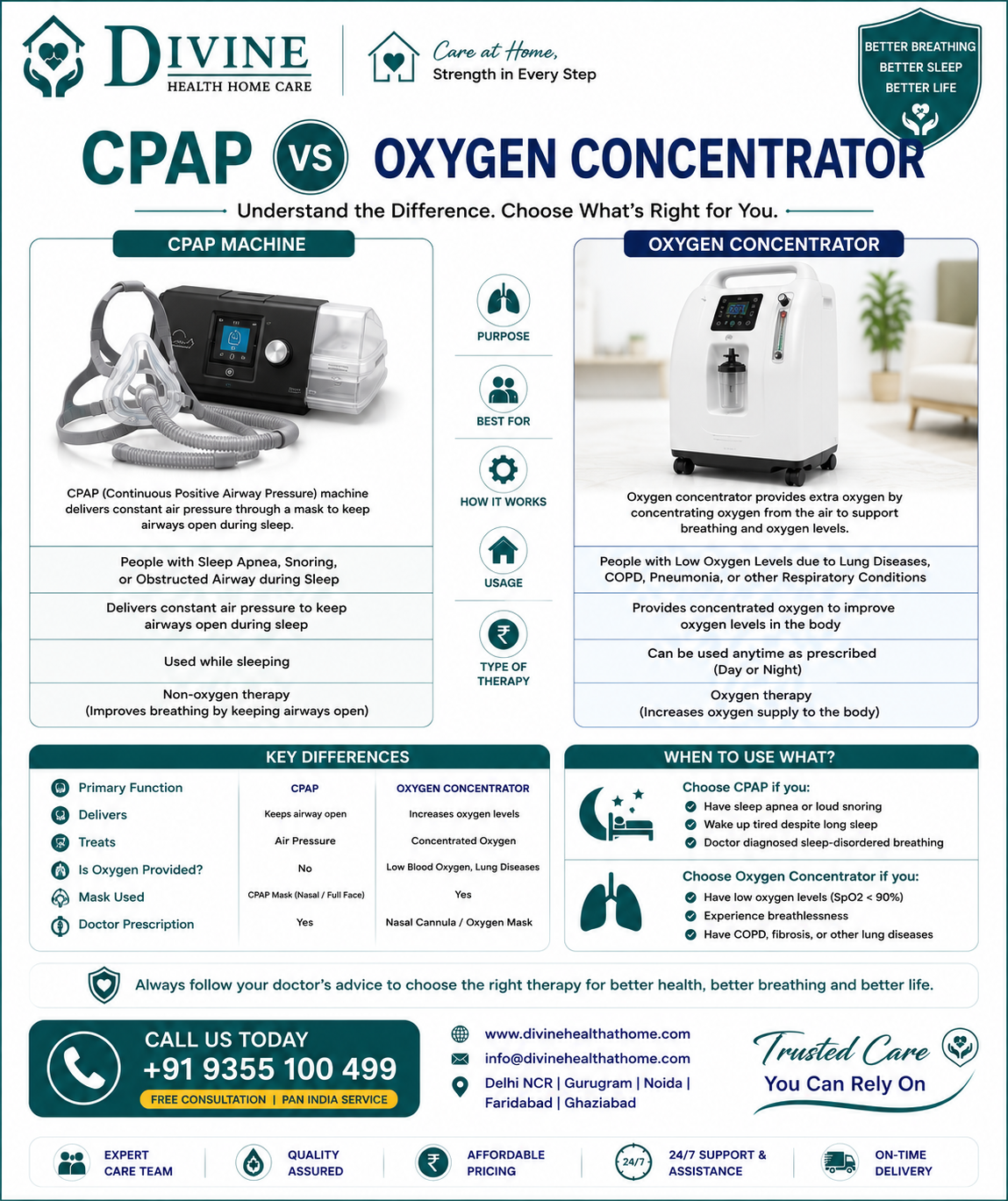
Oxygen therapy delivers oxygen through specialized medical equipment such as an oxygen concentrator, oxygen cylinder, or central oxygen supply system. The oxygen is supplied through a nasal cannula, oxygen mask, or other prescribed delivery device.
The additional oxygen increases the amount available for the lungs to absorb, helping improve oxygen levels in the blood and supporting normal organ function. The oxygen flow rate and duration of therapy are determined by the treating healthcare professional based on the patient's condition.
Who May Need Oxygen Therapy?
A healthcare professional may recommend oxygen therapy for patients with conditions such as:
- Chronic Obstructive Pulmonary Disease (COPD)
- Pneumonia
- Pulmonary fibrosis
- Severe asthma (selected cases)
- Chronic respiratory diseases
- Heart conditions associated with low oxygen levels
- Post-operative recovery
- Sleep-related breathing disorders (in selected cases)
- Respiratory infections causing low oxygen saturation
- Other conditions resulting in hypoxemia
The need for oxygen therapy should always be confirmed through medical assessment and oxygen saturation monitoring.